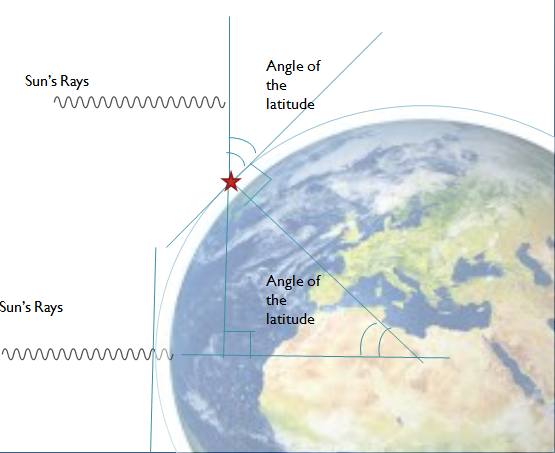
In this study, the authors test the effect that the tilt angle of a solar panel has on the amount of energy it generates. This investigation highlights a simple way that people can harvest renewable energy more efficiently and effectively.
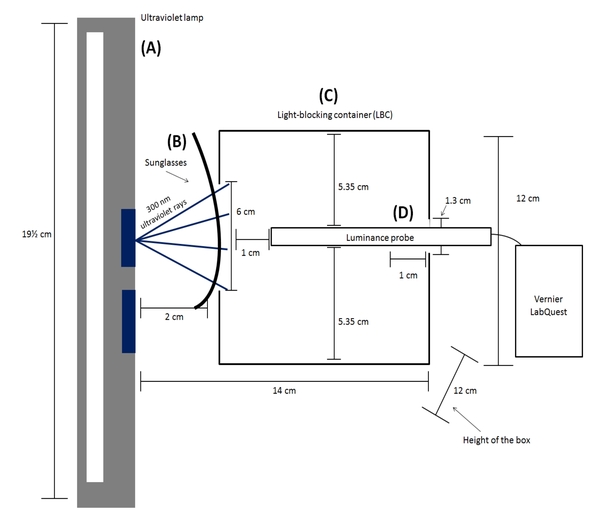
Wearing sunglasses may offer protection against the negative health outcomes linked to exposure to ultraviolet waves. In this study, the authors test whether more expensive sunglasses offer better UV protection.
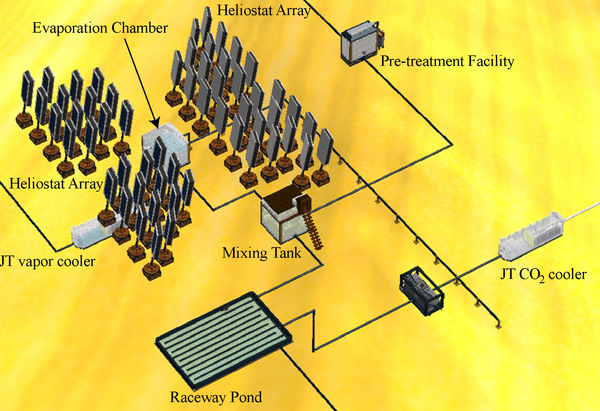
An integrated plant that would generate energy from solar power and provide clean water would help solve multiple sustainability issues. The feasibility of such a plant was investigated by looking at the efficacy of several different modules of such a plant on a small scale.
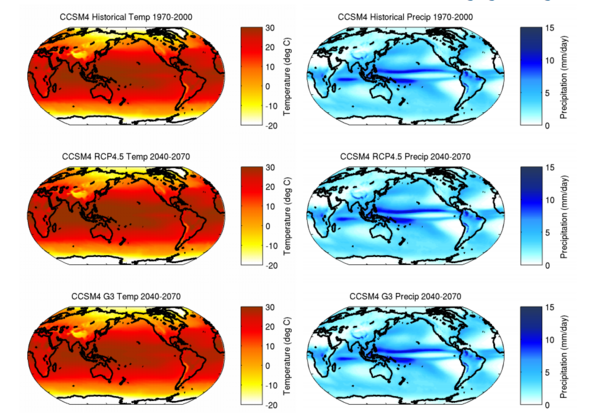
We are changing our environment with steadily increasing carbon dioxide emissions, but we might be able to help. The authors here use a computer program called Community Climate System Model 4 to predict the effects of spraying small particles into the atmosphere to reflect away some of the sun's rays. The software predicts that this could reduce the amount of energy the Earth's atmosphere absorbs and may limit but will not completely counteract our carbon dioxide production.
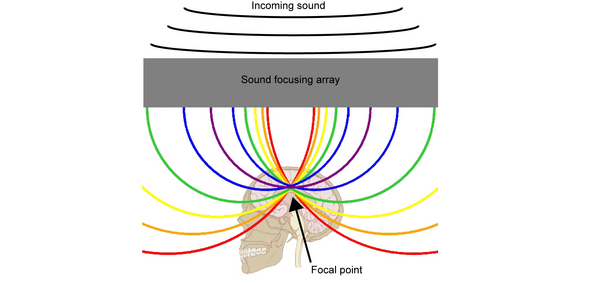
Sound waves can be amazingly powerful, especially when they work together. Here the authors create an “acoustic lens” that focuses sound waves on a single location. This makes the sound waves very powerful, capable of causing damage at a precise point. In the future, acoustic lenses like this could potentially be used to treat cancer by killing small tumors without surgery.
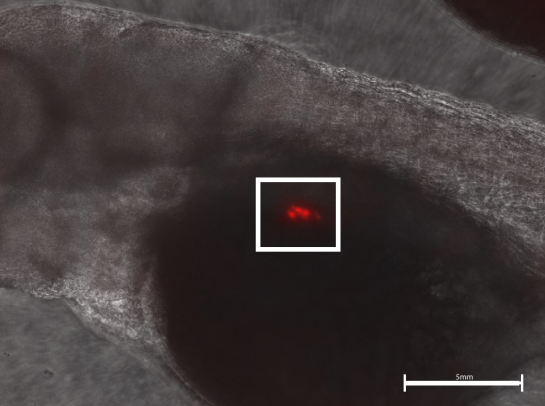
Alcohol is known to cause various developmental diseases including Fetal Alcohol Syndrome. Here the authors investigate the effect of ethanol on the development of zebrafish beta cells, the part of the pancreas associated with Type 1 Diabetes. They find that exposure to ethanol does adversely affect beta-cell development, suggesting that alcohol ingestion during pregnancy may be linked to diabetes in newborns.
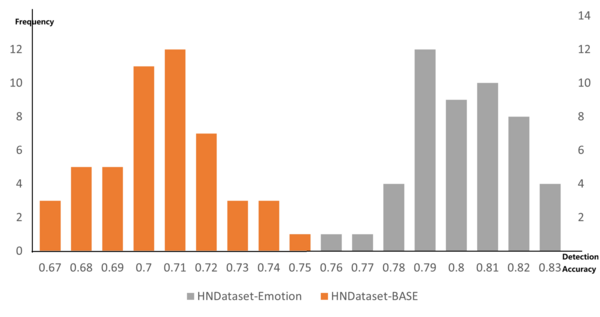
This manuscript tackles a major social issue in the health news sector, with social media being one of the primary sources of information and a prime spot to propagate fake news. The author proposes X-HND , which is a unique architecture that combines emotional and contextual analysis in a Graph Neural Network to accurately detect fake news. This was a multi-step process which involved the creation of a custom health news dataset (HNDataset), and an emotional variant that uses RoBERTa to extract emotion. These dataset were then used to prove the hypothesis that accuracy increases when the custom dataset is used to train the model and that with the integration of emotion capture, the detection accuracy increases further.