Browse Articles

Analyzing resilience in a sample population as a novel qualifier for triage in psychological first aid

Ramesh et al. | Apr 18, 2023

Analyzing resilience in a sample population as a novel qualifier for triage in psychological first aid
Image credit: Mat Napo

While serving as an immediate address for psychological safety and stability, psychological first aid (PFA) currently lacks the incorporation of triage. Without triage, patients cannot be prioritized in correspondence to condition severity that is often called for within emergency conditions. To disentangle the relevance of a potential triage system to PFA, the authors of this paper have developed a method to quantify resilience - a prominent predictor of the capability to recover from a disaster. With this resilience index, they have quantified resilience of differing age, race, and sex demographics to better inform the practice of PFA and potential demographic prioritization via a triage system.

Read More...

Prediction of molecular energy using Coulomb matrix and Graph Neural Network

Hazra et al. | Feb 01, 2022

Prediction of molecular energy using Coulomb matrix and Graph Neural Network

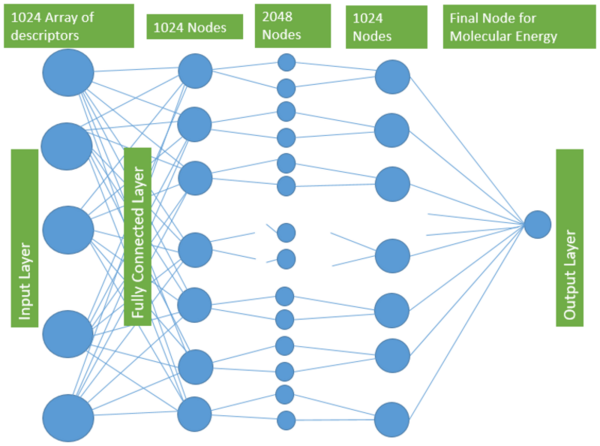
With molecular energy being an integral element to the study of molecules and molecular interactions, computational methods to determine molecular energy are used for the preservation of time and resources. However, these computational methods have high demand for computer resources, limiting their widespread feasibility. The authors of this study employed machine learning to address this disadvantage, utilizing neural networks trained on different representations of molecules to predict molecular properties without the requirement of computationally-intensive processing. In their findings, the authors determined the Feedforward Neural Network, trained by two separate models, as capable of predicting molecular energy with limited prediction error.

Read More...

Expressional correlations between SERPINA6 and pancreatic ductal adenocarcinoma-linked genes

Selver et al. | Oct 06, 2021

Expressional correlations between <em>SERPINA6</em> and pancreatic ductal adenocarcinoma-linked genes

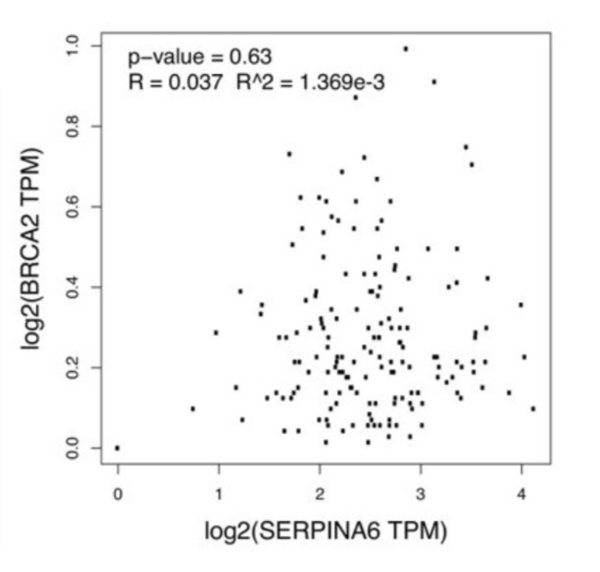
Pancreatic ductal adenocarcinoma (PDAC) is the most common form of pancreatic cancer, with early diagnosis and treatment challenges. When any of the genes KRAS, SMAD4, TP53, and BRCA2 are heavily mutated, they correlate with PDAC progression. Cellular stress, partly regulated by the gene SERPINA6, also correlates with PDAC progression. When SERPINA6 is highly expressed, corticosteroid-binding globulin inhibits the effect of the stress hormone cortisol. In this study, the authors explored whether there is an inverse correlation between the expression of SERPINA6 and PDAC-linked genes.

Read More...

Heavy Metal Contamination of Hand-Pressed Well Water in HuNan, China

Long et al. | Oct 20, 2019

Heavy Metal Contamination of Hand-Pressed Well Water in HuNan, China

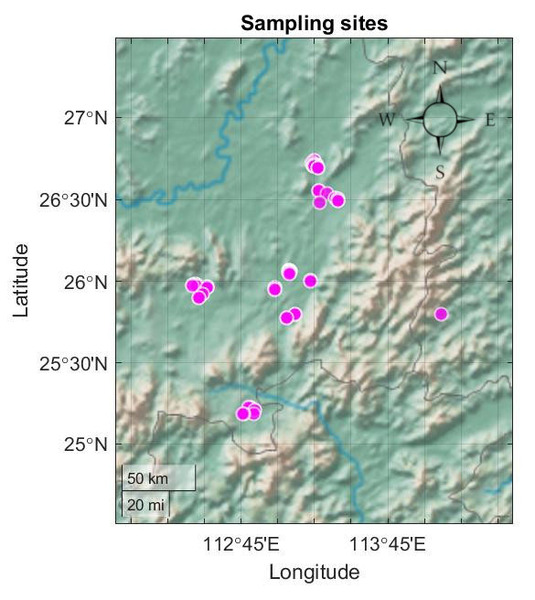
Unprocessed water from hand-pressed wells is still commonly used as a source of drinking water in Chenzhou, the “Nonferrous Metal Village” of China. Long et al. conducted a study to measure the heavy metal contamination levels and potential health effects in this area. Water samples were analyzed through Inductively Coupled Plasma Optical Emission Spectroscopy (ICPOES) and the concentrations of 20 metal elements. Results showed that although none of the samples had dangerous levels of heavy metals, the concentrations of Al, Fe, and Mn in many locations substantially exceeded those suggested in the Chinese Drinking Water Standard and the maximum contaminant levels of Environmental Protection Agency (EPA). The authors have made an important discovery regarding the water safety in HuNan and their suggestions to install water treatment systems would greatly benefit the community.

Read More...