Browse Articles

Colorism and the killing of unarmed African Americans by police

Hempfield et al. | Nov 08, 2021

Colorism and the killing of unarmed African Americans by police

The purpose of this study was to investigate the relationship between colorism and police killings of unarmed African American suspects. The authors collected data from the Washington Post database, which reports unarmed African American victims from 2015–2021, and found that the victims who were killed by police were darker on average than a control population of African Americans that had not encountered the police.

Read More...
The impact of timing and magnitude of the El Niño- Southern Oscillation on local precipitation levels and temperatures in the Bay Area

Li et al. | May 09, 2021

The impact of timing and magnitude of the El Niño- Southern Oscillation on local precipitation levels and temperatures in the Bay Area

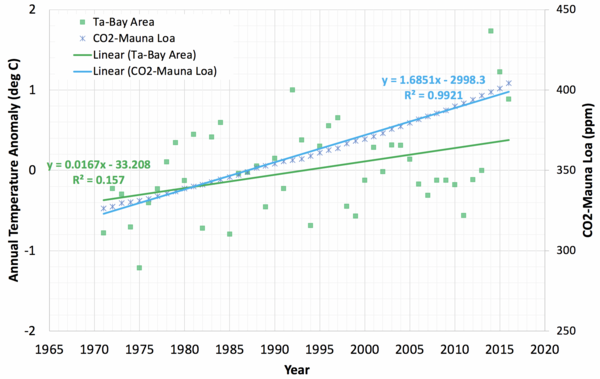
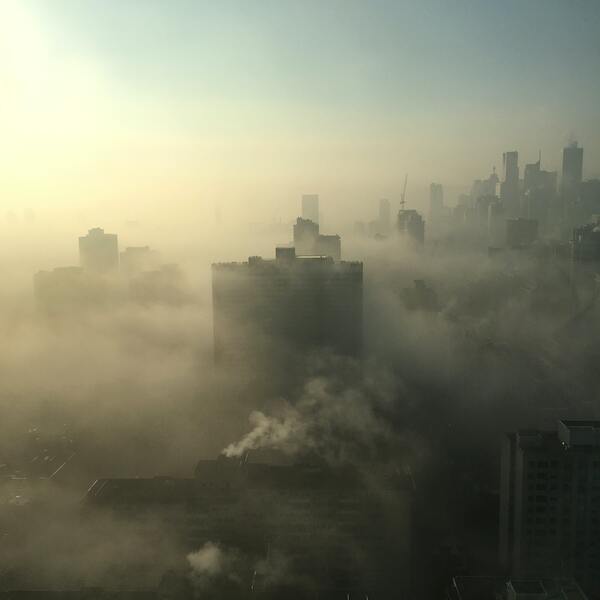
Understanding the relationships between temperature, MEI, SPI, and CO2 concentration is important as they measure the major influencers of California’s regional climate: temperature, ENSO, precipitation, and atmospheric CO2. In this article, the authors analyzed temperature, Multivariate El Niño-Southern Oscillation Index (MEI), and Standard Precipitation Index (SPI) data from the San Francisco Bay Area from 1971 to 2016. They also analyzed CO2 records from Mauna Loa, HI for the same time period, along with the annual temperature anomalies for the Bay Area.

Read More...

The Impact of the COVID-19 Pandemic on Mental Health of Teens

Qureshi et al. | Nov 19, 2020

The Impact of the COVID-19 Pandemic on Mental Health of Teens

In this study, the authors investigate whether the COVID-19 pandemic is affecting the mental health of teens. Using data from a study done in Islamabad, Pakistan, the authors find that many teens between the ages of 13 and 19 show signs of mental illness. This study reports important data regarding the mental health of youth and points toward an increased need to address this topic during the pandemic.

Read More...

Estimation of Reproduction Number of Influenza in Greece using SIR Model

Skarpeti et al. | Nov 18, 2020

Estimation of Reproduction Number of Influenza in Greece using SIR Model

In this study, we developed an algorithm to estimate the contact rate and the average infectious period of influenza using a Susceptible, Infected, and Recovered (SIR) epidemic model. The parameters in this model were estimated using data on infected Greek individuals collected from the National Public Health Organization. Our model labeled influenza as an epidemic with a basic reproduction value greater than one.

Read More...

Do Attractants Bias the Results of Malaise Trap Research?

Martinez et al. | Jan 22, 2020

Do Attractants Bias the Results of Malaise Trap Research?

Malaise traps are commonly used to collect flying insects for a variety of research. In this study, researchers hypothesized the attractants used in these traps may create bias in insect studies that could lead to misinterpreted data. To test this hypothesis two different kinds of attractant were used in malaise traps, and insect diversity was assessed. Attractants were found to alter the dispersion of insects caught in traps. These findings can inform future malaise traps studies on insect diversity.

Read More...

Behavioral Longevity: The Impact of Smoking, Alcohol Consumption, and Obesity on Life Expectancy

Han et al. | Oct 03, 2019

Behavioral Longevity: The Impact of Smoking, Alcohol Consumption, and Obesity on Life Expectancy

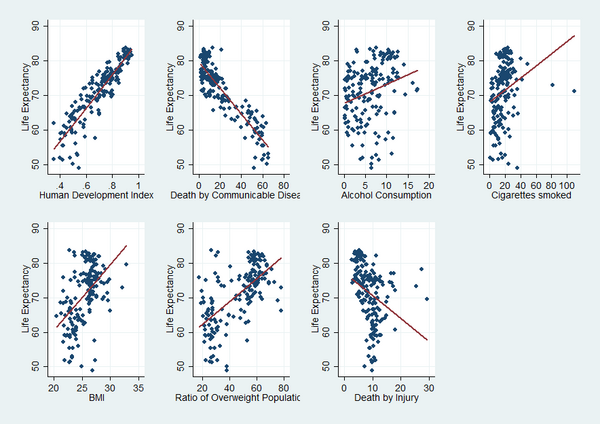
In this article, the authors look into what is already known about the factor affecting longevity and determine the importance of behavioral factors including alcohol consumption, smoking, and obesity on longevity. The authors quantify data from over 150 countries and, interestingly, find that the impact each factor has on longevity is at least in part dependent on the country's economic development status. Overall, they conclude that an average person’s life expectancy can increase by more than 3 years if smoking and alcohol consumption is reduced by a half and weight is decreased by 10%.

Read More...

The Cosmic Microwave Background: Galactic Foregrounds and Faraday Rotation

Connelly et al. | Nov 20, 2017

The Cosmic Microwave Background: Galactic Foregrounds and Faraday Rotation

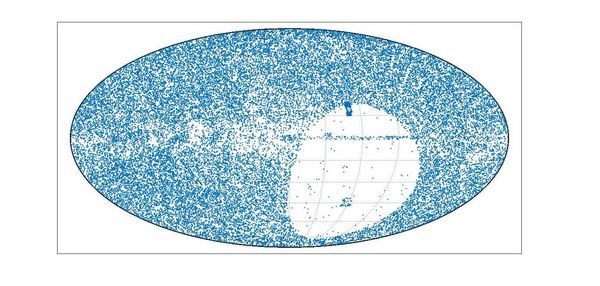
The cosmic microwave background (CMB) is faint electromagnetic radiation left over from early stages in the formation of the universe. In order to analyze the CMB, scientists need to remove from electromagnetic data foreground radiation that contaminates CMB datasets. In this study, students utilize extensive updated datasets to analyze the correlation between CMB maps and Faraday RM and WMAP sky maps.

Read More...

Retinal biomarkers for the detection of neurological disease using deep learning

Kim et al. | Sep 04, 2026

Retinal biomarkers for the detection of neurological disease using deep learning

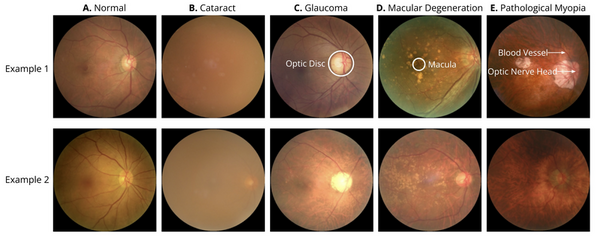
The authors looked at whether retinal features, specifically lens clarity, optic nerve cupping, and hyperreflective foci, can serve as biomarkers for neuro-ophthalmological diseases, which share pathological mechanisms with neurodegeneration and may indicate broader neurological risk. Using multimodal clinical data and machine learning, they investigated the potential of retinal imaging as a complementary diagnostic tool for more accurate and accessible detection of neurological disorders.

Read More...