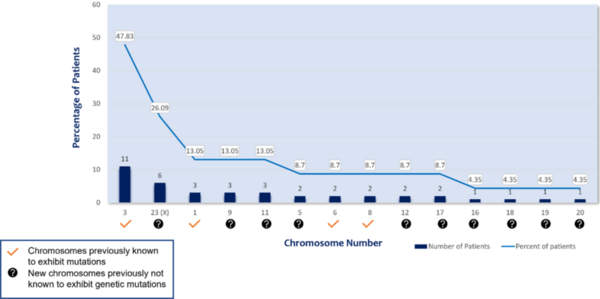
Uveal melanoma (UM) is a rare subtype of melanoma but the most frequent primary cancer of the eye in adults. The goal of this study was to research the genetic causes of UM through a comprehensive frequency analysis of base-pair mismatches in patient genomes. Results showed a total of 130 genetic mutations, including seven recurrent mutations, with most mutations occurring in chromosomes 3 and X. Recurrent mutations varied from 8.7% to 17.39% occurrence in the UM patient sample, with all mutations identified as missense. These findings suggest that UM is a recessive heterogeneous disease with selective homozygous mutations. Notably, this study has potential wider significance because the seven genes targeted by recurrent mutations are also involved in other cancers.
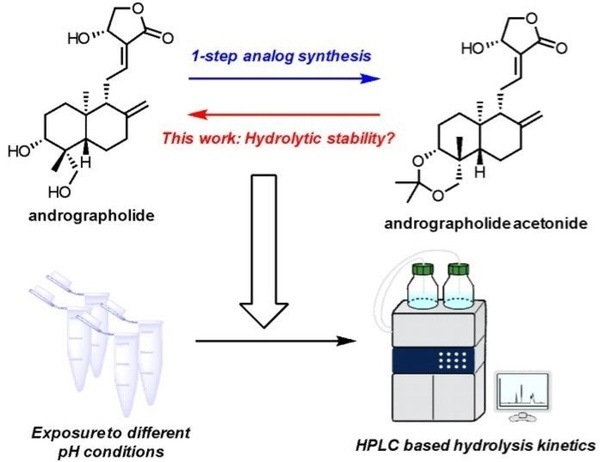
Andrographolide, a natural compound with anti-inflammatory, antidepressant, and anti-cancer properties, can be chemically modified by adding an acetonide group to form andrographolide acetonide, which is more potent and acts as a pH-dependent prodrug. Researchers investigated the hydrolysis of this acetonide group under mildly acidic conditions.
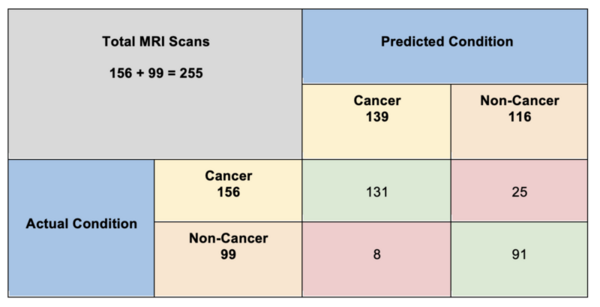
AI analysis of brain scans offers promise for helping doctors diagnose brain tumors. Haider and Drosis explore this field by developing machine learning models that classify brain scans as "cancer" or "non-cancer" diagnoses.
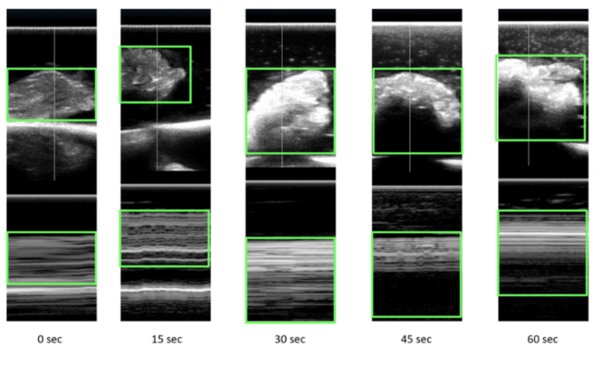
Microwave energy (ME) is used in the medical field to denature protein structures, resulting in inactivation or destruction of abnormal cells. Identifying the extent of destruction of abnormal tissue (cancer tissue or tissue with abnormal electrical activity) is essential for accomplishing successful therapy and reducing collateral damage. Our study was an ex vivo assessment of the changes on ultrasound scans (US) in chicken tissue exposed to ME. We hypothesized that any changes in tissue structures would be recognized on the reflected ultrasound waves. Ultrasound scans of tissues change with exposure to microwaves with increasing reflection of ultrasound waves. With exposure to microwaves, surface level brightness on the ultrasound scans increases statistically significantly. The findings could be used in heat related (ME and radiofrequency) procedures where clinicians would be able to actively assess lesions in real-time. Further studies are required to assess changes in tissue during active exposure to different types of energies.
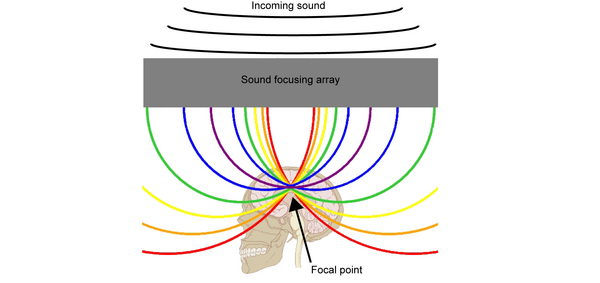
Sound waves can be amazingly powerful, especially when they work together. Here the authors create an “acoustic lens” that focuses sound waves on a single location. This makes the sound waves very powerful, capable of causing damage at a precise point. In the future, acoustic lenses like this could potentially be used to treat cancer by killing small tumors without surgery.
In the United States, there are currently 17.8 million affected by atopic dermatitis (AD), commonly known as eczema. It is characterized by itching and skin inflammation. AD patients are at higher risk for infections, depression, cancer, and suicide. Genetics, environment, and stress are some of the causes of the disease. With the rise of personalized medicine and the acceptance of gene-editing technologies, AD-related variations need to be identified for treatment. Genome-wide association studies (GWAS) have associated the Filaggrin (FLG) gene with AD but have not identified specific problematic single nucleotide polymorphisms (SNPs). This research aimed to refine known SNPs of FLG for gene editing technologies to establish a causal link between specific SNPs and the diseases and to target the polymorphisms. The research utilized R and its Bioconductor packages to refine data from the National Center for Biotechnology Information's (NCBI's) Variation Viewer. The algorithm filtered the dataset by coding regions and conserved domains. The algorithm also removed synonymous variations and treated non-synonymous, frameshift, and nonsense separately. The non-synonymous variations were refined and ordered by the BLOSUM62 substitution matrix. Overall, the analysis removed 96.65% of data, which was redundant or not the focus of the research and ordered the remaining relevant data by impact. The code for the project can also be repurposed as a tool for other diseases. The research can help solve GWAS's imprecise identification challenge. This research is the first step in providing the refined databases required for gene-editing treatment.

%20final%202-5-23.jpg)