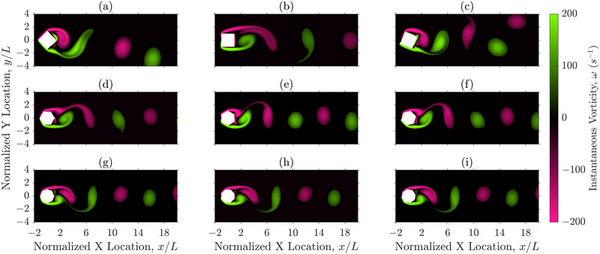
The authors investigated the shedding characteristics of polygons at a Reynolds number of 200.
Read More...Influence of polygon side number on laminar vortex shedding frequency and variability
The authors investigated the shedding characteristics of polygons at a Reynolds number of 200.
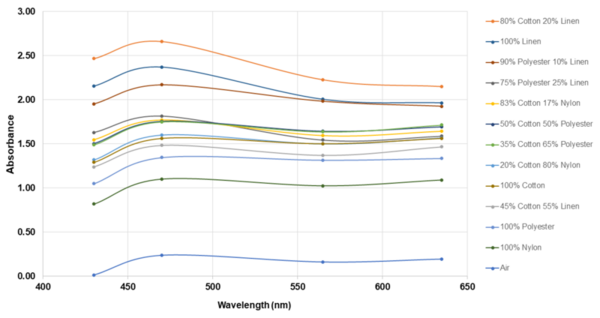
Read More...Effectiveness of different fabrics in protecting from ultraviolet rays
The authors looked at how different blends of synthetic and non-synthetic fabrics protected against UV radiation.
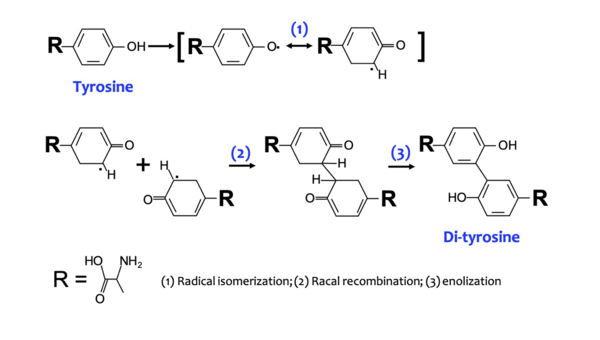
Read More...One-step photochemical crosslinking of native proteins is feasible in tyrosine-rich bovine serum albumin
In this study, the authors develop a new hydrogel using photochemical crosslinking with bovine serum albumin and methylene blue. They find that this new hydrogel has some useful applications!
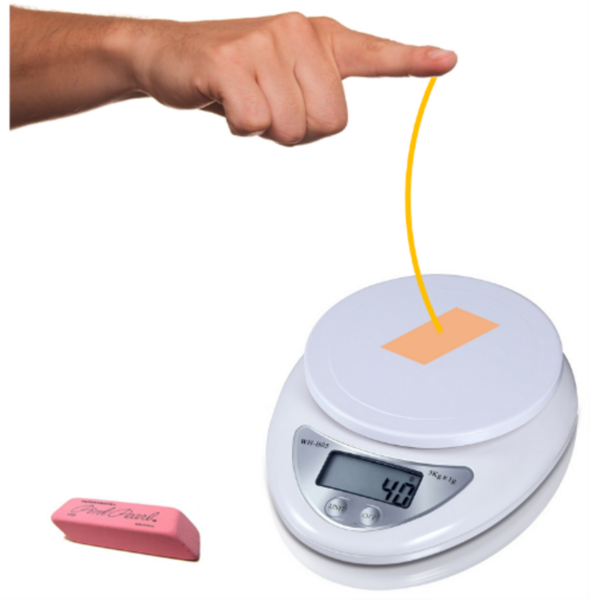
Read More...Estimating the Young’s Modulus of spaghetti with a buckling experiment
The Young's Modulus of a structural material is a measure of its elasticity and is defined as the ratio of the tensile stress to tensile strain. This study aims to investigate the Young's Modulus of pasta with different diameters.
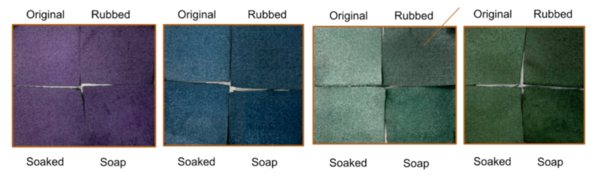
Read More...An alternative to textile dyes: Synthesizing and applying PMMA nanoparticles to create structural coloration
The authors looked at developing a PMMA nanoparticle fabric dye that would be more sustainable compared to traditional fabric dyes. They were able to create PMMA based dyes in different colors that were also durable (i.e., did not fade quickly on fabric).
Read More...The analysis of the viral transmission and structural interactions between the HIV-1 envelope glycoprotein and the lymphocyte receptor integrin α4β7
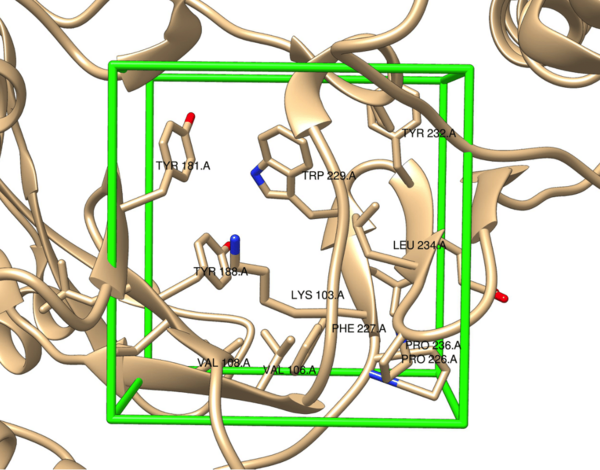
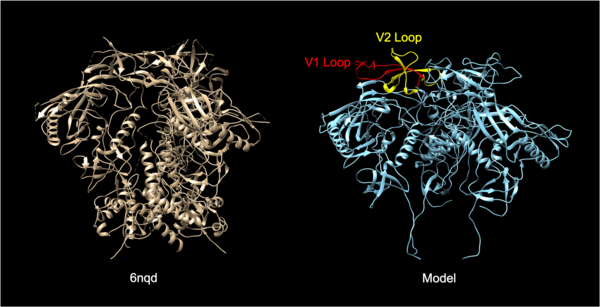
The Human Immunodeficiency Virus (HIV) infects approximately 40 million people globally, and one million people die every year from Acquired Immune Deficiency Syndrome (AIDS)-related illnesses. This study examined the interactions between the HIV-1 envelope glycoprotein gp120 and the human lymphocyte receptor integrin α4β7, the putative first long-range receptor for the envelope glycoprotein of the virus in mucosal tissues. Presented data support the claim that the V1 loop is involved in the binding between α4β7 and the HIV-1 envelope glycoprotein through molecular dockings.
Read More...Integration of iron oxide nanoparticles into high-density polyethylene for sustainable cup coatings
Here the authors propose integrating magnetic iron (II) oxide nanoparticles into the high-density polyethylene linings of disposable paper cups to create a waterproof, magnetically responsive composite liner. Their findings demonstrate that these nanoparticles successfully bond with the plastic layer without disrupting its structural integrity, offering a viable method to improve plastic recovery through magnetic recycling and mitigate global microplastic pollution.
Read More...Virtual Screening of Cutibacterium acnes Antibacterial Agent Using Natural Compounds Database
A common form of Acne is caused by a species of bacterium called Cutibacterium acnes. By using a predictive algorithm and structural analysis, the authors identified 5 small molecules with high affinity to growth factors in Catibacterium acnes. This has potential implications for supplemental skincare products.
Read More...The external presence of running water influences the root growth of pea plants (Phaselous vulgaris)
Each year, invasive tree roots cause large amounts of damage to underground pipes. While this is usually due to leaks and cracks, tree roots can also invade pipes that are structurally sound. We are interested in investigating whether plant roots have an affinity towards flowing water, measured through mass, even when the running water is not in direct contact with soil. We tested this by creating a choice chamber with water running under one end and no stimulus on the other end. Overall, the masses of the roots growing towards flowing water were greater than the masses of the roots growing towards the end with no stimulus, showing that plant roots did have an affinity towards flowing water.
Read More...Quantitative definition of chemical synthetic pathway complexity of organic compounds
Irrespective of the final application of a molecule, synthetic accessibility is the rate-determining step in discovering and developing novel entities. However, synthetic complexity is challenging to quantify as a single metric, since it is a composite of several measurable metrics, some of which include cost, safety, and availability. Moreover, defining a single synthetic accessibility metric for both natural products and non-natural products poses yet another challenge given the structural distinctions between these two classes of compounds. Here, we propose a model for synthetic accessibility of all chemical compounds, inspired by the Central Limit Theorem, and devise a novel synthetic accessibility metric assessing the overall feasibility of making chemical compounds that has been fitted to a Gaussian distribution.
Read More...