
In this study, the authors address the concerns of heavy metal contamination in industrial and feedlot water waste. They test whether added probiotics are capable of taking up heavy metals in water to attenuate pollution.
Read More...Probiotic biosorption as a way to remove heavy metal in seawater
In this study, the authors address the concerns of heavy metal contamination in industrial and feedlot water waste. They test whether added probiotics are capable of taking up heavy metals in water to attenuate pollution.
Read More...Effectiveness of Biodegradable Plastic in Preventing Food Spoilage

Most people put little thought into the type of plastic wrap they use to store their leftovers. This study investigates the differences between biodegradable plastic wrap and non-biodegradable plastic wrap in their ability to prevent food spoilage. Does one work better than the other? Read more to find out!
Read More...Development of a pH-sensing hydrogel wound dressing for early infection monitoring for all skin color types
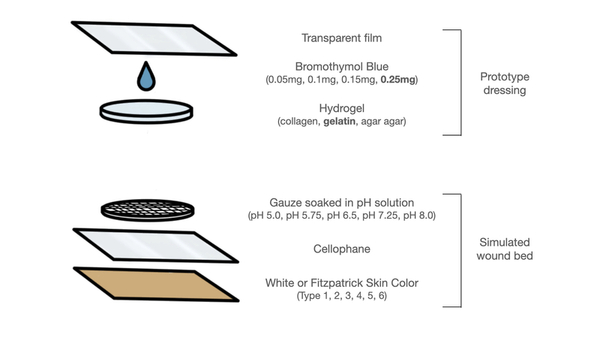
This paper develops a gelatin-based hydrogel dressing infused with bromothymol blue dye that visibly changes from yellow to blue as wound pH rises from 5.0 to 8.0, signaling possible infection. The color shift was visually detectable and statistically significant across all six Fitzpatrick skin tones, suggesting a low-cost ($0.40/dressing) tool for early infection monitoring in settings with limited access to care.
Read More...An analysis of the mechanical properties of fencing swords, and implications for weapon selection

The sword is the most important piece of equipment a fencer uses. In this study, we compared the mechanical and physical properties of two of the most common types of swords used in foil fencing.We that found that maraging steel blades had a significantly greater stiffness and were damped more effectively than low carbon steel blades. These properties affect how the blade behaves during particular maneuvers and techniques, and our findings therefore provide useful insights for fencers who want to select the optimal sword configuration to suit their personal style.
Read More...Comparative life cycle analysis: Solvent recycling and improved dewatering scenarios in PHB plastic production
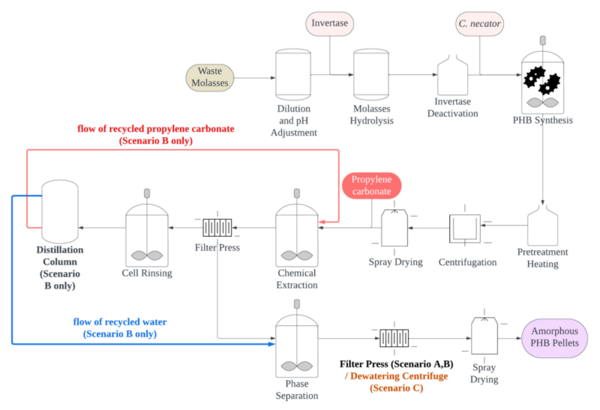
The authors looked at alternative production processes for PHB plastic in an effort to reduce environmental impact. They found that no alternative process was able to significantly decrease the environmental impact of PHB production, but that optimizing dewatering steps during production could lead to the largest improvement on environmental impact.
Read More...Determining viability of image processing models for forensic analysis of hair for related individuals

Here, the authors used machine learning to analyze microscopic images of hair, quantifying various features to distinguish individuals, even within families where traditional DNA analysis is limited. The Discriminant Analysis (DA) model achieved the highest accuracy (88.89%) in identifying individuals, demonstrating its potential to improve the reliability of hair evidence in forensic investigations.
Read More...An alternative to textile dyes: Synthesizing and applying PMMA nanoparticles to create structural coloration
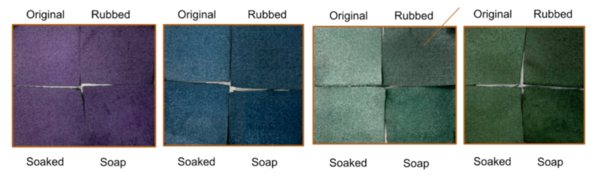
The authors looked at developing a PMMA nanoparticle fabric dye that would be more sustainable compared to traditional fabric dyes. They were able to create PMMA based dyes in different colors that were also durable (i.e., did not fade quickly on fabric).
Read More...Near-infrared activation of environmentally-friendly gold and silver nanoparticles for unclogging arteries
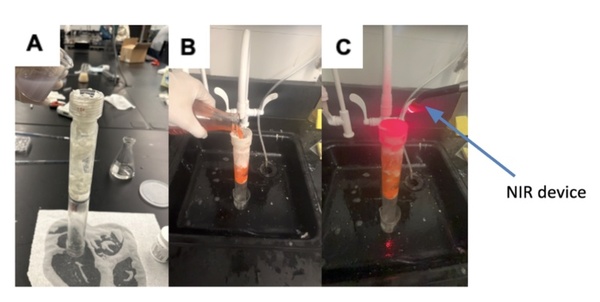
Coronary artery disease, the leading cause of death worldwide, results from cholesterol build-up in coronary arteries, limiting blood and oxygen flow to the heart. This study investigated the use of gold and silver nanoparticles coated with aspirin and activated by near-infrared light to improve blood flow in a clogged artery model. The nanoparticles increased simulated blood flow rates, demonstrating potential as a less invasive and more targeted treatment for cardiovascular disease.
Read More...Impact of Kindles4Covid Virtual Reading Buddies Program on reading frequency and social connections

With the COVID-19 pandemic necessitating the transition to remote learning, disruption to daily school routine has impacted educational experiences on a global scale. As a result, it has potentially worsened reading achievement gaps typically exacerbated by long summer months. To address literacy skill retention and pandemic-induced social isolation, the non-profit organization ByKids4Kids has created a reading program, “Kindles4Covid Virtual Reading Buddies Program,” to instill a structure for youth to read together and connect with the convenience of Amazon Kindle devices. In this article, the authors determine the efficacy of their invaluable program by assessing changes in reading frequency and self-reported connectedness among program participants.
Read More...Decolorization of textile dyes by edible white rot fungi

As fast fashion explodes in popularity, the fashion industry remains one of the most prominent industries responsible for pollution. This pollution includes a lack of treatment for textile dyes that remain toxic or carcinogenic as they persist in wastewater. To resolve this, the authors of this study set out to determine the efficacy of using edible white rot fungi for cell-based biodegradation of textile dyes into harmless chemicals. This method takes advantage of fungi found in excess from the fungi industry, decreasing food waste while addressing textile waste in tandem.
Read More...