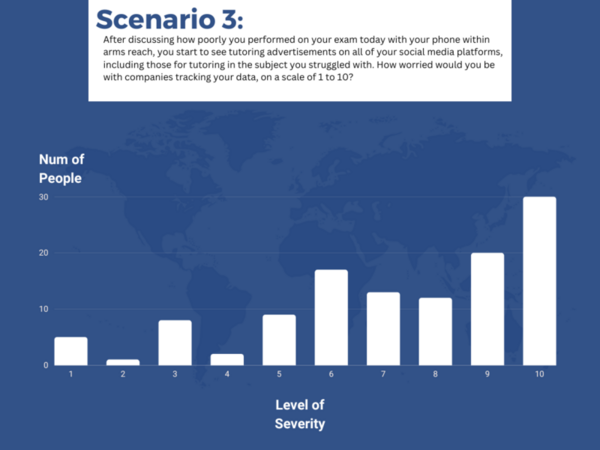
The authors looked at student perception on various situations involving third-party tracking to personalize recommendations.
Read More...High school students’ perceptions of third-party tracking and personalization
The authors looked at student perception on various situations involving third-party tracking to personalize recommendations.
Read More...Comparing and evaluating ChatGPT’s performance giving financial advice with Reddit questions and answers
Here, the authors compared financial advice output by chat-GPT to actual Reddit comments from the "r/Financial Planning" subreddit. By assessing the model's response content, length, and advice they found that while artificial intelligence can deliver information, it failed in its delivery, clarity, and decisiveness.
Read More...Utilizing meteorological data and machine learning to predict and reduce the spread of California wildfires
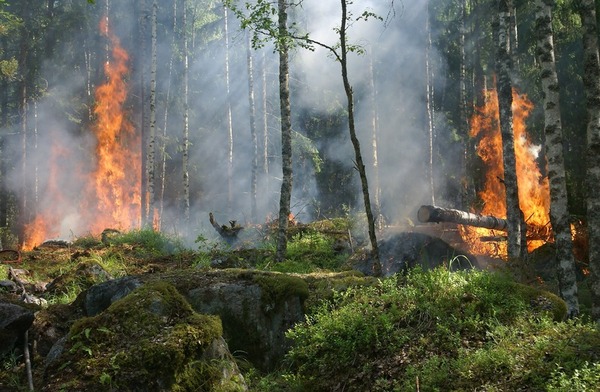
This study hypothesized that a machine learning model could accurately predict the severity of California wildfires and determine the most influential meteorological factors. It utilized a custom dataset with information from the World Weather Online API and a Kaggle dataset of wildfires in California from 2013-2020. The developed algorithms classified fires into seven categories with promising accuracy (around 55 percent). They found that higher temperatures, lower humidity, lower dew point, higher wind gusts, and higher wind speeds are the most significant contributors to the spread of a wildfire. This tool could vastly improve the efficiency and preparedness of firefighters as they deal with wildfires.
Read More...Preliminary investigation of Allosauroidea facial integument and the evolution of theropod facial armor
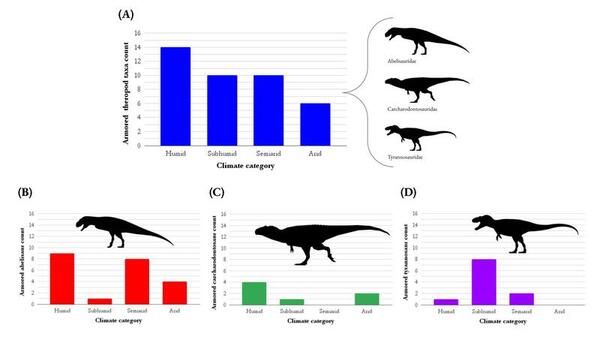
The facial integument, or external skin tissues, were assessed on set of dinosaurs from the Allosauroidea clade to test whether dermal patterns served specific functions.
Read More...Can Green Tea Alleviate the Effects of Stress Related to Learning and Long-Term Memory in the Great Pond Snail (Lymnaea stagnalis)?
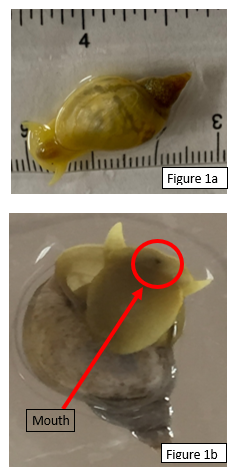
Stress and anxiety have become more prevalent issues in recent years with teenagers especially at risk. Recent studies show that experiencing stress while learning can impair brain-cell communication thus negatively impacting learning. Green tea is believed to have the opposite effect, aiding in learning and memory retention. In this study, the authors used Lymnaea stagnalis , a pond snail, to explore the relationship between green tea and a stressor that impairs memory formation to determine the effects of both green tea and stress on the snails’ ability to learn, form, and retain memories. Using a conditioned taste aversion (CTA) assay, where snails are exposed to a sweet substance followed by a bitter taste with the number of biting responses being recorded, the authors found that stress was shown to be harmful to snail learning and memory for short-term, intermediate, and long-term memory.
Read More...People’s Preference to Bet on Home Teams Even When Losing is Likely

In this study, the authors investigate situations in which people make sports bets that seem to go against their better judgement. Using surveys, individuals were asked to bet on which team would win in scenarios when their home team was involved and others when they were not to determine whether fandom for a team can overshadow fans’ judgment. They found that fans bet much more on their home teams than neutral teams when their team was facing a large deficit.
Read More...Stress-induced genetic memory inheritance and retention in Planarian biological model
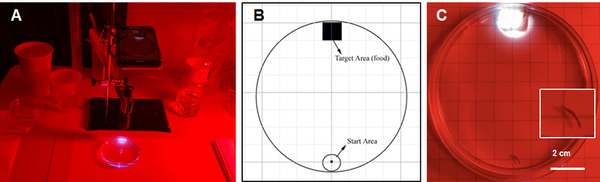
This study explored whether planaria, known for their regenerative abilities, can retain learned memories after regeneration and how stressors like alcohol affect memory.
Read More...Chemoreception in Aurelia aurita studied by AI-enhanced image analysis
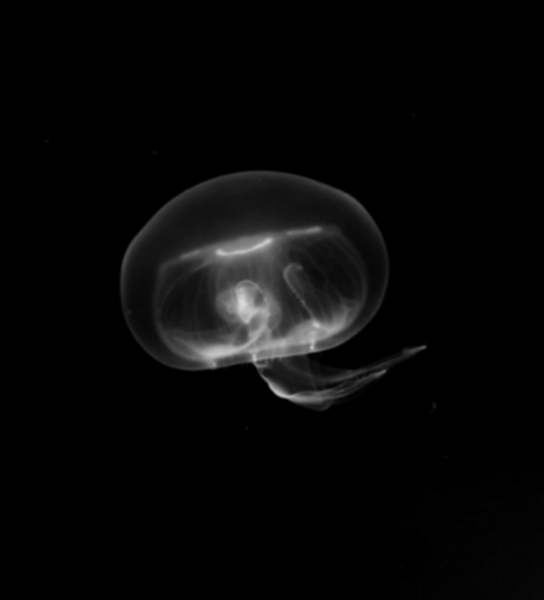
The authors studied the chemoreception of moon jellyfish in response to food, and developed an AI tool to identify track and quantify the pulsation of swimming jellyfish.
Read More...Simple solving heuristics improve the accuracy of sudoku difficulty classifiers
Enhanced brain arteries and aneurysms analysis using a CAE-CFD approach
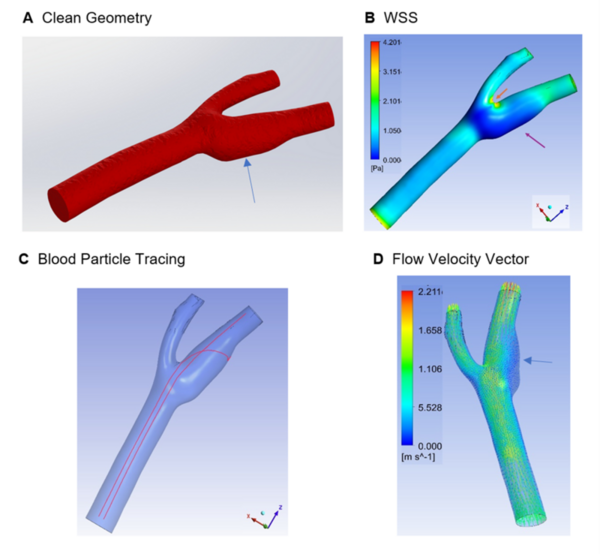
Here, recognizing that brain aneurysms pose a severe threat, often misdiagnosed and leading to high mortality, particularly in younger individuals, the authors explored a novel computer-aided engineering approach. They used magnetic resonance angiography images and computational fluid dynamics, to improve aneurysm detection and risk assessment, aiming for more personalized treatment.
Read More...