Browse Articles

The Development and Maximization of a Novel Photosynthetic Microbial Fuel Cell Using Rhodospirillum rubrum

Gomez et al. | Mar 02, 2014

The Development and Maximization of a Novel Photosynthetic Microbial Fuel Cell Using <em>Rhodospirillum rubrum</em>

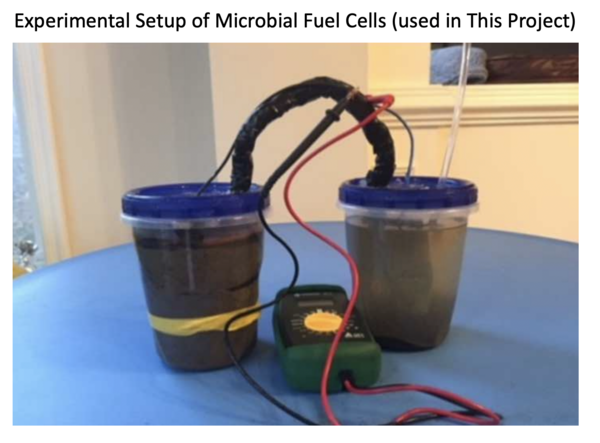
Microbial fuel cells (MFCs) are bio-electrochemical systems that utilize bacteria and are promising forms of alternative energy. Similar to chemical fuel cells, MFCs employ both an anode (accepts electrons) and a cathode (donates electrons), but in these devices the live bacteria donate the electrons necessary for current. In this study, the authors assess the functionality of a photosynthetic MFC that utilizes a purple non-sulfur bacterium. The MFC prototype they constructed was found to function over a range of environmental conditions, suggesting its potential use in industrial models.

Read More...

The Effect of Cobalt Biomineralization on Power Density in a Microbial Fuel Cell

Bandyopadhyay et al. | Sep 07, 2015

The Effect of Cobalt Biomineralization on Power Density in a Microbial Fuel Cell

A microbial fuel cell is a system to produce electric current using biochemical products from bacteria. In this project authors operated a microbial fuel cell in which glucose was oxidized by Shewanella oneidensis in the anodic compartment. We compared the power output from biomineralized manganese or cobalt oxides, reduced by Leptothrix cholodnii in the cathodic compartment.

Read More...

The effects of different modes of vocalization and food consumption on the level of droplet transmission of bacteria

Wong et al. | May 10, 2021

The effects of different modes of vocalization and food consumption on the level of droplet transmission of bacteria

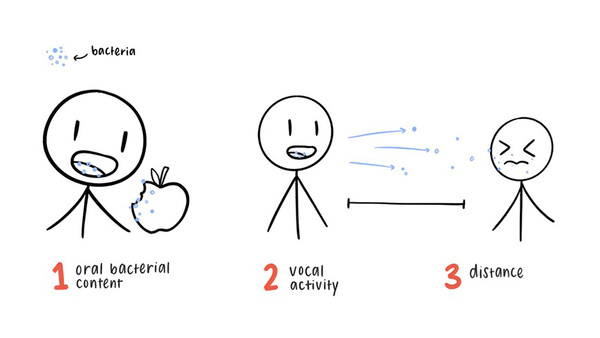
Microbial agents reposnsible for respiratory infections are often carried in spittle, which means they can be easily transmitted. Here, the authors investigate how likely certain activities are to spread microbes carried in spittle. They also investigate whether eating certain types of food might reduce the spread of spittle-borne bacteria too.

Read More...

Simulating single versus cocktail antibiotic effects on the human gut microbiome

Patel et al. | Jul 19, 2026

Simulating single versus cocktail antibiotic effects on the human gut microbiome
Image credit: Volodymyr Hryshchenko

This study, uses SimulATe to model changes in microbial diversity and community structure upon administering a cocktail of antibiotics versus a single antibiotic. The authors hypothesized that antibiotic cocktails, particularly those combining broad-spectrum drugs like tetracyclines and trimethoprims, would cause a more significant reduction in gut microbial diversity compared to single-drug treatments. The findings confirmed a greater loss of microbial diversity with combinatorial treatments compared to single-drug treatments. While individual antibiotics dynamically reshaped the surviving species of the microbiome, antibiotic cocktails frequently cleared all species of the gut microbiome.

Read More...